Everything You Need to Know About Carpet Cleaning in Fort Collins, CO
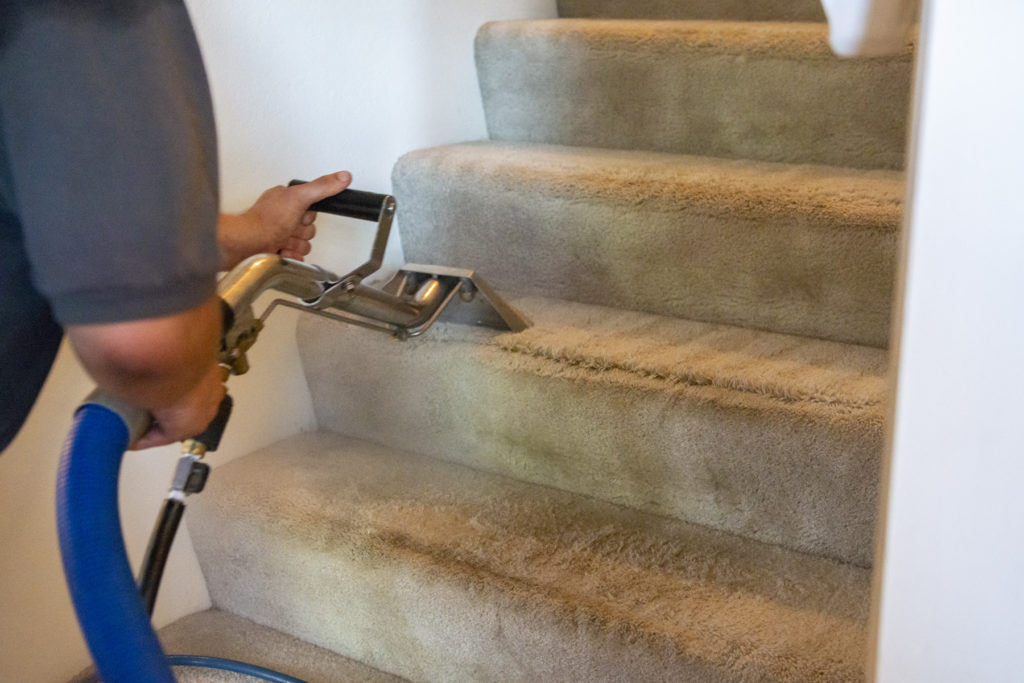
Carpet does a quiet kind of work in a home. It softens noise, warms up bedrooms on cold mornings, catches the dust and grit that would otherwise skate across hard floors, and gives kids and pets a place to land. It also takes a beating, especially in a place like Fort Collins. Between snow, spring mud, dry summer dust, and the steady wear that comes with active households, carpet here tends to show its age faster than many homeowners expect.
That reality is why carpet cleaning is not just a cosmetic service. Done well and at the right intervals, it extends the life of the carpet, improves indoor air quality, helps manage odor, and can even change how an entire room feels. Done poorly, it can leave behind sticky residue, stretched fibers, lingering moisture, or stains that return a week later.
If you are looking into Carpet Cleaning Fort Collins, CO, it helps to understand what the service actually involves, what local conditions do to carpet, and how to tell the difference between a quick surface clean and work that genuinely restores the floor.
Why Fort Collins carpets get dirty in a particular way
Fort Collins has its own cleaning profile. Local weather and lifestyle matter more than people realize. The issue is not just visible dirt. It is the mix of dry particulates, moisture, traffic patterns, and organic debris that builds over time.
In winter, sidewalks and driveways track in slush, deicer, and fine gravel. Even homes with good entry mats end up with gritty residue settling into high traffic areas. That grit is abrasive. Every footstep pushes it deeper into the pile, where it rubs against carpet fibers like sandpaper. By late winter, hallways and living rooms can look dull even when they are vacuumed regularly.
Spring tends to bring mud and allergen buildup. Pollen, dust, and damp soil can work together to create dingy traffic lanes near entrances and family room seating areas. Summer often feels cleaner on the surface, but it brings its own challenge. Fort Collins can get dry, and dry conditions mean more airborne dust. That dust settles into carpet and upholstered furniture all season long. In fall, leaves, organic debris, and pet activity usually round out the cycle.
Homes near open space, trails, construction, or busier roads often deal with more fine dust than homeowners expect. That is one reason two houses on the same block can have very different carpet cleaning needs.
What professional carpet cleaning actually removes
A vacuum, even a very good one, mainly removes loose dry soil from the upper part of the carpet. That matters, and regular vacuuming is the best maintenance habit you can have, but it does not do the whole job.
Professional carpet cleaning targets embedded soil, oils from skin and cooking, food residue, pet accidents, tracked-in contaminants, and the dull film that accumulates in heavily used areas. Depending on the method, it can also remove a surprising amount of fine particulate matter that contributes to stale odor and a flat appearance.
One of the most common frustrations homeowners mention is that the carpet “looks dirty again” right after a cleaning. In many cases, that happens because the previous service only cleaned the surface, or because excess detergent was left behind. Residue attracts soil quickly. Proper cleaning is not just about getting dirt out. It is also about getting cleaning agents out.
The main cleaning methods, and where each one fits
Not all carpet cleaning is the same, and one source of confusion in the market is that very different services can sound similar in an ad. The method matters because it affects cleaning depth, dry time, fiber safety, and cost.
Hot water extraction is often what people mean when they say steam cleaning, though true steam is not usually what is applied to the carpet. This method uses hot water and cleaning solution, followed by strong extraction to pull the soil out. When performed correctly, it is one of the most effective methods for deep cleaning wall-to-wall carpet. It works especially well for homes with pets, children, or long intervals between cleanings.
Low-moisture cleaning uses less water and typically relies on encapsulation products or absorbent compounds. It can be useful in commercial settings or in homes where fast dry time is a priority. It often performs well on routine maintenance cleaning, though it may not be the best choice for heavy pet contamination or deeply impacted traffic lanes.
Bonnet cleaning, more common in commercial environments, mainly treats the surface. It can improve appearance quickly, but it is generally not the best option when a homeowner wants a restorative clean. Shampooing is less common than it once was and can lead to residue problems if not managed carefully.
There is no single best method for every scenario. A lightly soiled office with short-pile carpet has different needs than a family home with two dogs, a toddler, and beige carpet on the main floor. Good judgment matters more than buzzwords.
What a proper cleaning visit should look like
A professional service should begin with inspection, not with hoses running through the front door five minutes after arrival. Carpet is not uniform from room to room. Fiber type, age, backing, stain history, and wear patterns all affect how it should be cleaned.
A careful technician typically walks the space, asks about problem areas, identifies any permanent staining or wear, and explains realistic outcomes. That last part matters. Some marks that look like dirt are actually fiber damage, bleach loss, or wear that cannot be reversed. Honest technicians say so upfront.
Pre-vacuuming is sometimes skipped by rushed companies, but it is important, especially when dry soil levels are high. Applying moisture to dry particulate matter can create mud in the carpet base, which is harder to extract. After that, pre-treatment is usually applied to traffic lanes and spots. Agitation may be used to work the solution into the fibers. Then comes the rinse and extraction phase.
Drying is part of the job, not an afterthought. Good airflow, proper extraction, and controlled moisture levels make a major difference. In many homes, carpet should be only slightly damp after a quality cleaning, not soaked for a day. If a room feels wet enough to leave footprints several hours later, that is a red flag.
How often Fort Collins homeowners should clean their carpet
There is no universal schedule, but there are sensible ranges. For many households, professional cleaning every 12 months keeps carpet in decent condition. Homes with children, pets, allergies, or heavy foot traffic often benefit from cleaning every 6 to 9 months. Guest rooms and low-use areas can usually go longer.
The mistake I see most often is waiting until the carpet looks bad. By that point, soil has usually been grinding into the fibers for months, sometimes years. Cleaning can still help, but maintenance cleaning is always easier, less expensive in the long run, and more effective at preserving appearance.
Fort Collins homes with dogs that go in and out frequently tend to need more attention around entry points and common pathways. The same goes for homes near trails or homes where residents work outdoors and track in fine soil. In those cases, a whole-house cleaning once a year plus occasional spot treatment or traffic-lane service can be a practical approach.
Pet stains and odor, the issue most people underestimate
Pet problems are where carpet cleaning gets technical. A visible spot on the surface can be only a small part of the problem. If urine has soaked through the carpet into the pad or even the subfloor, surface cleaning alone will not solve the odor. In fact, adding moisture without proper treatment can reactivate Carpet Cleaning Fort Collins, CO tlccarpetcleaningnortherncolorado.com the smell.
This is why homeowners sometimes feel disappointed after a service that otherwise seemed thorough. The carpet may look better, but warm or humid conditions bring the odor right back. That does not necessarily mean the cleaner did poor work. It may mean the contamination was deeper than a standard cleaning could address.
True pet odor treatment often involves locating affected areas, flushing them with specialized solutions, extracting thoroughly, and in severe cases recommending pad replacement or subfloor sealing. That level of honesty is important. Some damage can be improved significantly. Some requires repair.
One family I know had a recurring odor in a finished basement that no amount of room spray or portable carpet cleaner could touch. The issue turned out to be a cluster of older pet accidents along one wall where a dog bed had been kept for years. The carpet itself cleaned up reasonably well, but the pad had to be replaced in a section before the smell finally disappeared. That is a common story, and it explains why price shopping alone often leads people to the wrong service.
Stains, spots, and the difference between removable and permanent
Many stains are removable. Many are not. The challenge is that homeowners usually cannot tell which is which, and some companies overpromise to win the job.
Fresh spills from coffee, juice, tracked mud, or food often respond well if treated properly and relatively soon. Oil-based spots, cosmetics, certain craft materials, and old mystery stains can be harder. Red dyes, bleach damage, rust, and some medications can permanently alter the fiber color. In those cases, cleaning may remove residue but cannot restore the original shade.
Wicking is another issue that catches people off guard. A stain seems gone right after cleaning, then reappears as the carpet dries. That usually means contamination was deep in the backing or pad and migrated upward. It can often be addressed with follow-up treatment, but it is better when the cleaner mentions the possibility before it happens.
Carpet types matter more than most people think
Nylon, polyester, olefin, and wool all behave differently. So do plush pile, berber, and patterned carpets. The safest and most effective cleaning plan changes depending on the material.
Nylon is resilient and generally responds well to professional cleaning, which is one reason it is so common in family homes. Polyester can look attractive and resist certain stains, but it may hold onto oils more readily. Olefin is common in some loop styles and can be challenging when it comes to oily soil. Wool requires a more careful approach because it is a natural fiber and more sensitive to high alkalinity, excessive heat, and rough handling.
This is one reason bargain cleaning can become expensive. If the technician uses the same chemistry and technique on every carpet, results will be inconsistent at best. At worst, texture distortion, browning, or rapid resoiling can follow.
The truth about DIY carpet cleaning machines
Rental machines and consumer spot extractors have their place. For fresh spills or maintenance between professional visits, they can be useful. They are especially handy in homes with kids and pets, where waiting for an appointment is not always realistic.
Still, they come with limits. Most consumer machines have weaker extraction than truck-mounted or high-quality portable professional equipment. That means more moisture left in the carpet and less soil removed from deeper layers. Many homeowners also use too much detergent, which creates residue and makes the carpet attract dirt faster afterward.
The other problem is overconfidence. A spot that looks small on the surface can become larger and harder to treat after repeated home attempts. Scrubbing aggressively can fuzz or distort the pile. Oversaturating can push contamination deeper. The smartest use of DIY equipment is modest, controlled, and timely, not heroic.
How to evaluate a carpet cleaning company in Fort Collins
The local market includes excellent operators, part-time side businesses, franchise teams with varying quality, and low-price offers that make sense only if the crew rushes through the job. The goal is not to find the cheapest service. It is to find the company that matches the condition of your carpet and communicates clearly.
A reliable provider should be willing to explain the cleaning method, estimated dry times, what is included, and what can realistically be achieved. Experience matters, but so does attention to detail. I would rather hire a careful technician with solid training and honest communication than someone with flashy marketing and vague answers.
These are some useful questions to ask before booking:
- What cleaning method do you use, and why is it right for my carpet?
- Is pre-treatment included for traffic lanes and common spots?
- How long should I expect the carpet to take to dry?
- Are pet odor treatment and stain removal included, or priced separately?
- What results are realistic for older stains or worn areas?
Notice what those questions are doing. They are not trying to trap the company. They are simply testing whether the person on the other end understands the work. A clear, straightforward answer is a good sign. Evasive language usually is not.
What pricing usually reflects
Carpet cleaning prices vary widely, and there are reasons beyond square footage. The number of rooms, the condition of the carpet, whether stairs are involved, furniture moving, pet treatment, and spotting complexity all influence the final cost.
Very low advertised rates often cover a minimal service. The crew may charge extra for pre-spray, deodorizer, stain treatment, hallways, or even what most homeowners would consider standard soil conditions. By the time the real invoice is presented, the number can be very different from the ad.
That does not mean higher prices always equal better quality. It means you should understand what is included. A fair quote usually reflects labor time, equipment quality, chemistry, travel, and the degree of problem-solving involved. Cleaning a lightly used guest room is not the same task as restoring a family room after two winters of pet traffic and muddy shoes.
Dry time, airflow, and how to avoid problems after cleaning
One of the best signs of a competent job is reasonable dry time. In most homes, carpet should dry within several hours, though humidity, airflow, carpet thickness, and weather can shift that window. Fort Collins' dry climate can Carpet Cleaning Fort Collins, CO help, but only if extraction is thorough and the house has some air movement.
After cleaning, it helps to run ceiling fans, your HVAC fan, or portable air movers if available. Opening windows can work when outdoor conditions are dry and clean, but during high pollen days or dusty periods, it is not always the best move. Shoes should stay off damp carpet when possible, and furniture blocks or tabs should be used under legs to protect both the carpet and the furniture finish.
If the carpet still feels noticeably wet the next day, call the company. Good operators would rather address a moisture issue early than hear about a musty smell a week later.
Simple habits that make carpet last longer
Professional cleaning does the heavy lifting, but day-to-day habits determine how quickly carpet gets dirty again. A few practical routines can noticeably extend the interval between service visits and preserve the look of the flooring.
2 habits matter more than almost anything else, consistent vacuuming and entry control. Homes that use sturdy mats at exterior doors and remove a meaningful portion of tracked debris before it reaches the carpet simply age better. The same goes for regular vacuuming with a machine that has decent suction and a clean filter.
Beyond that, prompt spill response helps. Blotting rather than scrubbing prevents many small problems from becoming permanent ones. Rotating furniture slightly over time can also reduce visible traffic contrast in some rooms, especially where sunlight and use patterns are uneven.
Seasonal timing in Fort Collins
If you are deciding when to schedule Carpet Cleaning Fort Collins, CO, timing can work in your favor. Late spring and early fall are often ideal for many households. Spring cleaning addresses winter grit, mud, and indoor buildup. Fall cleaning resets the house before holiday traffic and winter weather return.
That said, the right time is really the time your carpet needs it. If pet odor is noticeable in July or traffic lanes look matted in January, there is no advantage in waiting for a “perfect” season. Modern professional cleaning can be done year-round. The real question is whether the company adjusts for conditions and gives honest expectations about dry time.
When cleaning is not enough
There are times when homeowners spend money trying to save carpet that is simply at the end of its useful life. Delamination, severe matting, permanent staining, sun fading, bleach damage, and repeated pet saturation can leave carpet looking tired even after skilled cleaning.
A trustworthy cleaner should say this. Sometimes the best value is a maintenance clean to buy time before replacement. Sometimes a targeted repair paired with cleaning makes sense. Sometimes replacing pad in one affected area is smarter than repeated deodorizing. The important thing is not hearing what sounds good in the moment. It is getting advice that fits the condition of the floor.
Choosing the right approach for your home
Most carpet problems are solvable, but the right solution depends on the real issue. A busy household in Fort Collins may need deep extraction once or twice a year, with occasional spot treatment in between. A quieter household may do well with annual cleaning and disciplined vacuuming. Homes with pets need a provider who understands subsurface odor, not just surface appearance. Homes with specialty fibers need a technician who recognizes what they are working on before the wand touches the floor.
That is the larger point behind carpet care. It is not about chasing a perfectly spotless surface or buying the cheapest appointment available. It is about preserving a major part of the home, keeping rooms healthier and more comfortable, and knowing when routine cleaning is enough and when a deeper intervention is worth it.
In Fort Collins, carpet takes on the climate and the lifestyle around it. The homes that keep their carpet looking better for longer are usually not the ones that clean most aggressively. They are the ones that clean intelligently, at the right times, with the right method, and with realistic expectations about what carpet can and cannot do after years of use.
TLC Carpet & Air Duct Cleaning
921 E Prospect Rd, Suite C
Fort Collins, CO 80525
(970) 352-8176
FAQ About Carpet Cleaning Fort Collins, CO
What is the best time of year to clean carpets in Fort Collins, CO?
Choose a day when you can give the carpet time to dry and keep foot traffic low. Ventilation and indoor humidity can matter more than the season.
How long will my carpet take to dry after cleaning?
Drying time varies with the carpet, cleaning method, humidity, and airflow. Ask the technician for an estimate and when to move furniture back.
How do I prepare my home for carpet cleaning?
Pick up small items, clear a path for equipment, and point out stains or delicate fibers. Ask the cleaner which furniture they can move and what needs to be moved before the visit.